

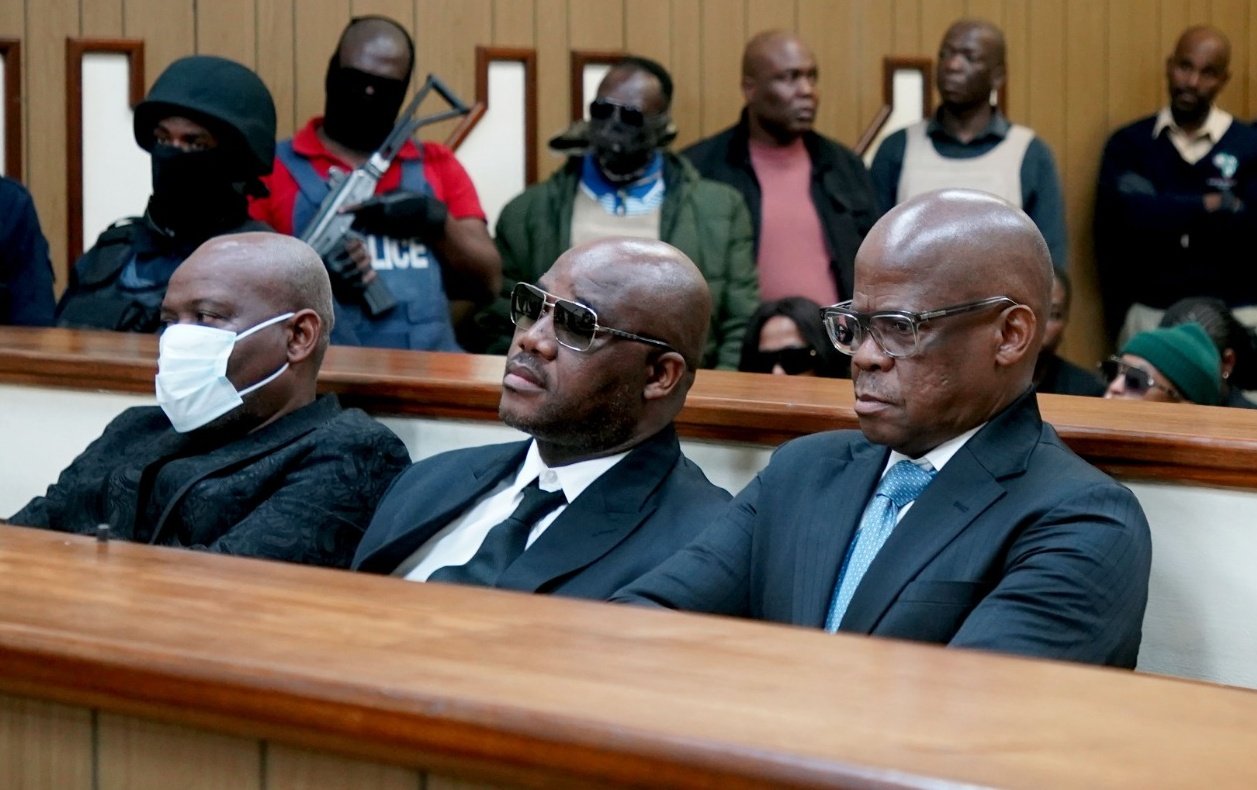
Mpumalanga taxi boss and businessman Joe “Ferrari” Sibanyoni is facing renewed scrutiny as the Madlanga Commission of Inquiry turns its attention to his alleged links to people implicated in organised crime and the taxi industry’s underworld.
Sibanyoni has received a Rule 10.6 notice from the commission, signalling that he may be required to respond to issues raised during its investigations. The commission is examining allegations of criminality, political interference and corruption within South Africa’s criminal justice system, and Sibanyoni’s name has featured in evidence concerning alleged criminal networks and rivalries within the taxi industry.
Among the issues expected to come under scrutiny are Sibanyoni’s alleged associations with Jothan “King Mswazi” Msibi and businessman Steven Motsumi. Msibi, who was a prominent figure in the long-distance taxi industry, has previously been mentioned during the commission’s hearings in connection with allegations surrounding an alleged criminal network. Sibanyoni and Msibi were also previously associated in the taxi industry before their relationship reportedly deteriorated.
The commission’s interest in Sibanyoni comes against the backdrop of testimony about alleged criminal syndicates operating around the taxi industry, including claims involving prominent businessmen, taxi bosses and alleged underworld figures.
Sibanyoni himself has previously been the subject of testimony at the commission after surviving an alleged assassination attempt. His name has also been linked to alleged underworld figure Vusimuzi “Cat” Matlala, although allegations made in and around the commission do not amount to findings of criminal guilt.
The latest development also comes while Sibanyoni is dealing with a separate criminal case. He and three co-accused; Bafana Oupa Sindane, Mvimbi Daniel Masilela and Philemon Msiza, face allegations of extortion and money laundering relating to claims that a mining entrepreneur was forced to pay more than R2 million in so-called protection fees between 2022 and 2025. The accused have denied wrongdoing.
That case has already been marked by dramatic legal developments. In May, the matter was struck from the roll after state prosecutor Mkhuseli Ntaba failed to appear for a bail hearing. Chief Magistrate Tuletu Tonjeni subsequently found the prosecutor in contempt and authorised a warrant for his arrest. The National Prosecuting Authority later moved to challenge the ruling and the case was re-enrolled at the Delmas Magistrate’s Court.
Sibanyoni’s legal team, led by senior advocate Shaun Abrahams, has strongly disputed the State’s case. During the initial court proceedings, Abrahams accused prosecutors of failing to communicate with the defence and said: “The state has been absolutely quiet. They have ignored our telephone calls.”
The legal team has also maintained that the allegations against Sibanyoni are without merit. Abrahams previously told eNCA that the defence was confident in its client’s version and questioned the money-laundering allegations, saying: “I cannot see where it comes (money laundering charge) from.”
The defence has gone further, indicating that it was considering a defamation claim over allegations made against Sibanyoni. Abrahams said the legal team believed the State had no case and accused authorities of failing to provide important information to the defence.
The criminal case was subsequently re-enrolled, with Sibanyoni and his co-accused granted bail. The matter is separate from the Madlanga Commission’s work, and the allegations in the criminal case have not been proven in court.
Now, the commission’s attention brings Sibanyoni back into the national spotlight for a different reason.
While the commission has not confirmed that Sibanyoni will testify, its spokesperson Jeremy Michaels said it does not publicly discuss preparations concerning witnesses unless a matter is dealt with in an open hearing.
“The Commission does not comment publicly on the preparations it may or may not be making with regard to the testimony or appearance of witnesses, unless a particular matter is ventilated in an open hearing,” Michaels said.
He added: “Similarly, the Commission does not provide details of whether a specific witness may or may not be appearing before it.”
The notice therefore does not, by itself, mean Sibanyoni has been found to have committed any wrongdoing. Rather, it places him within the commission’s investigative process and could require him to respond to evidence or allegations that have emerged during its hearings.
For Sibanyoni, the development comes at a particularly significant time. His business interests and influence in the taxi industry have made him a prominent figure, while his name has repeatedly surfaced in testimony examining the alleged overlap between the taxi industry, organised crime and law enforcement.
The commission’s eventual findings will determine whether the allegations and associations raised during its proceedings are supported by evidence. Until then, Sibanyoni remains entitled to the presumption of innocence in relation to the criminal allegations against him.
