
South Africans are being asked to shine a light on public servants who go beyond the call of duty and make a difference in the communities they serve.
The Department of Public Service and Administration (DPSA), together with the Centre for Public Service Innovation (CPSI), has opened nominations and entries for the 2026/27 National Batho Pele and Innovation Awards.
The awards recognise public servants, government institutions and innovative projects demonstrating excellence, professionalism, dedication and new approaches to improving service delivery.
Nominations and entries opened on 15 September and will close on 30 October 2026.
Members of the public, public servants and government institutions can submit nominations and entries online at cpsiregistrations.co.za.
‘They are your mother, your uncle, your neighbour’
The campaign is deliberately looking beyond government offices in Pretoria and other major centres.
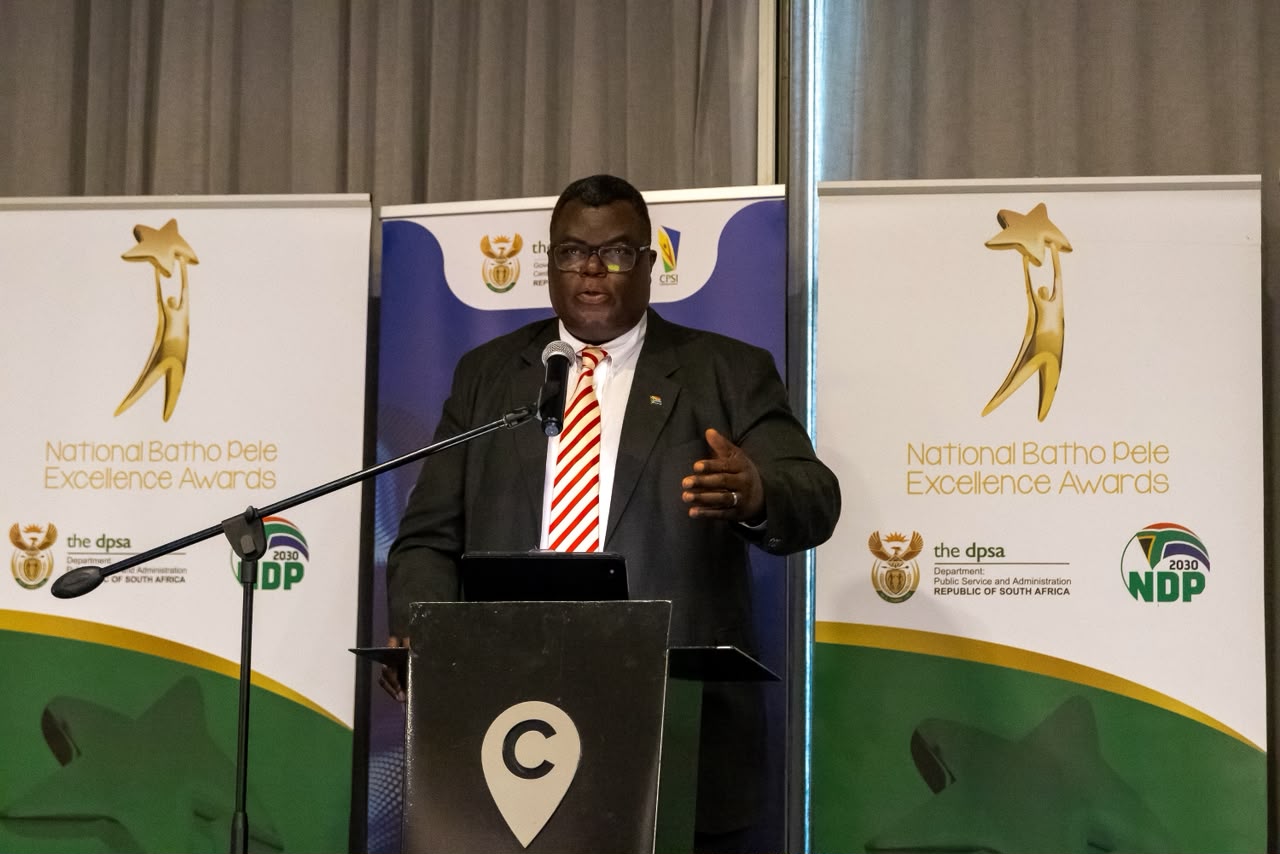
Acting DPSA Director-General Willie Vukela, speaking on behalf of Public Service and Administration Minister Inkosi Mzamo Buthelezi, urged South Africans to identify people they encounter in their everyday lives who are making a difference.
“Excellence and innovation in the Public Service is not something that only happens in government offices in Pretoria. It happens in our townships, villages, cities and small towns every single day,” Vukela said.
He highlighted examples such as nurses who know their patients personally, teachers who stay behind to assist learners and officials who ensure elderly people receive the help they need.
“They are your mother, your uncle, your neighbour or your former teacher. You know them. Help us find them,” he said.
The message is aimed at recognising that quality public service can happen at a local level, often through people whose work receives little attention outside their communities.
Changing the public service narrative
The awards also come as government continues its drive to professionalise the Public Service and improve the efficiency and effectiveness of government institutions.
For Vukela, recognition is about more than trophies or ceremonies. He said highlighting good work can help establish examples for other public servants to follow.
“We want their stories to travel beyond the communities in which they serve. A young public servant entering government must see what excellence looks like and know that this is the standard we expect,” he said.
“When we recognise those who serve with compassion, professionalism and integrity, we are not simply giving out awards; we are helping build the Public Service that South Africans deserve.”
Innovation that can be repeated
The innovation component of the awards focuses on practical solutions that improve the way government works or delivers services.
The CPSI defines innovation as “the process of transforming an idea into a new or improved product, service, process or approach which fulfils the mandate of government and enhances service delivery.”
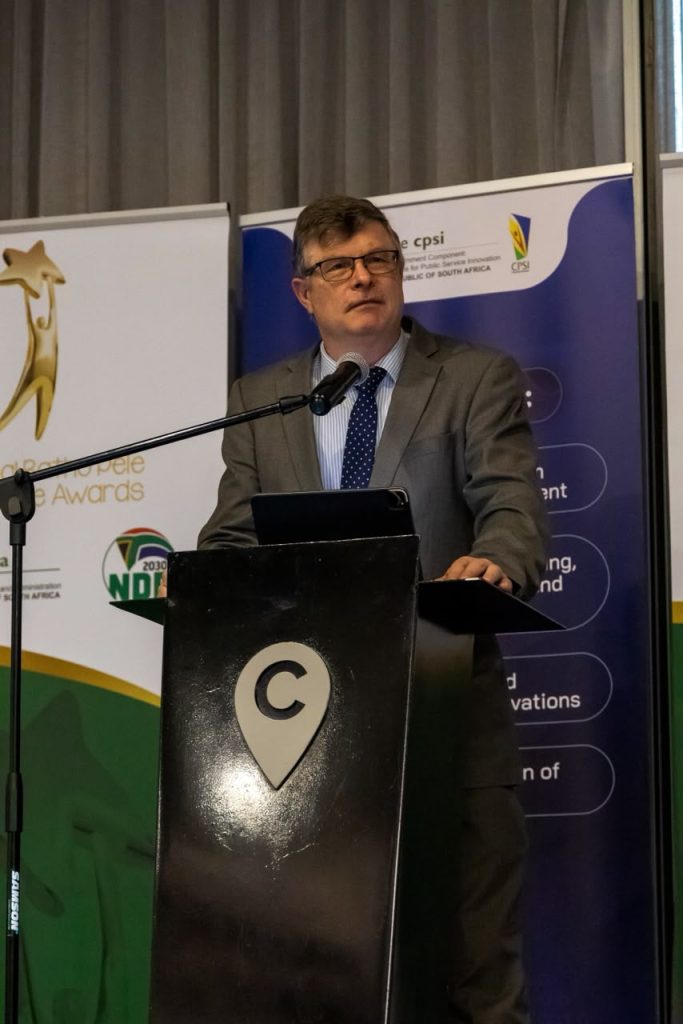
Acting CPSI Executive Director Pierre Schoonraad said the awards are also intended to identify ideas that could work in other parts of the country.
“A solution developed, or excellence demonstrated in one clinic, one district or one municipality should not stay there,” Schoonraad said.
“Our interest is not only in celebrating, but in ensuring that what demonstrably works in one part of the country is documented, shared and put to work in another.”
That means successful initiatives can potentially serve as examples for other government departments and institutions facing similar challenges.
From township classrooms to future skills
One example highlighted by the CPSI is the Gauteng Department of Education’s Multi-Certification Skills Programme, which received the Public Sector Innovator of the Year Award.
The programme was developed around the concern that learners can leave school with academic qualifications but limited practical skills for employment or entrepreneurship.
Under the initiative, learners from Grade R to Grade 12 can earn at least one accredited skill each year. By matric, a learner can potentially have as many as 13 formal certifications.
The skills include areas such as coding, drone technology, artificial intelligence, first aid, entrepreneurship and sign language.
The programme has also involved partnerships with industry organisations including Samsung, Merseta and Komatsu, with practical implementation taking place at schools such as Katlehong Engineering School of Specialisation.
The initiative is designed to connect education with industry needs while creating additional pathways towards employment and entrepreneurship.
What categories are open?
The Service Excellence section includes four categories:
- Best Front-Line Service Delivery Employee of the Year
- Best Public Service Leader (Senior Manager) of the Year
- Best Service Delivery Institution/Department
- Best Implemented Project of the Year
The Public Sector Innovation section includes:
- Replication and Adaptation of Innovative Solutions
- Citizen-focused Innovations Harnessing Non-ICT Solutions
- Service Delivery Innovations Harnessing Technology
- Internal Innovations Harnessing ICT or Non-ICT Solutions
Ministerial Awards may also be conferred at the discretion of the Minister for the Public Service and Administration.
What happens after nominations close?
Once nominations and entries close on 30 October, submissions will go through assessment and adjudication.
The process will culminate in the National Batho Pele and Innovation Awards ceremony scheduled for February 2027.
For members of the public, the nomination process offers an opportunity to put forward a public servant whose contribution may otherwise go unnoticed.