
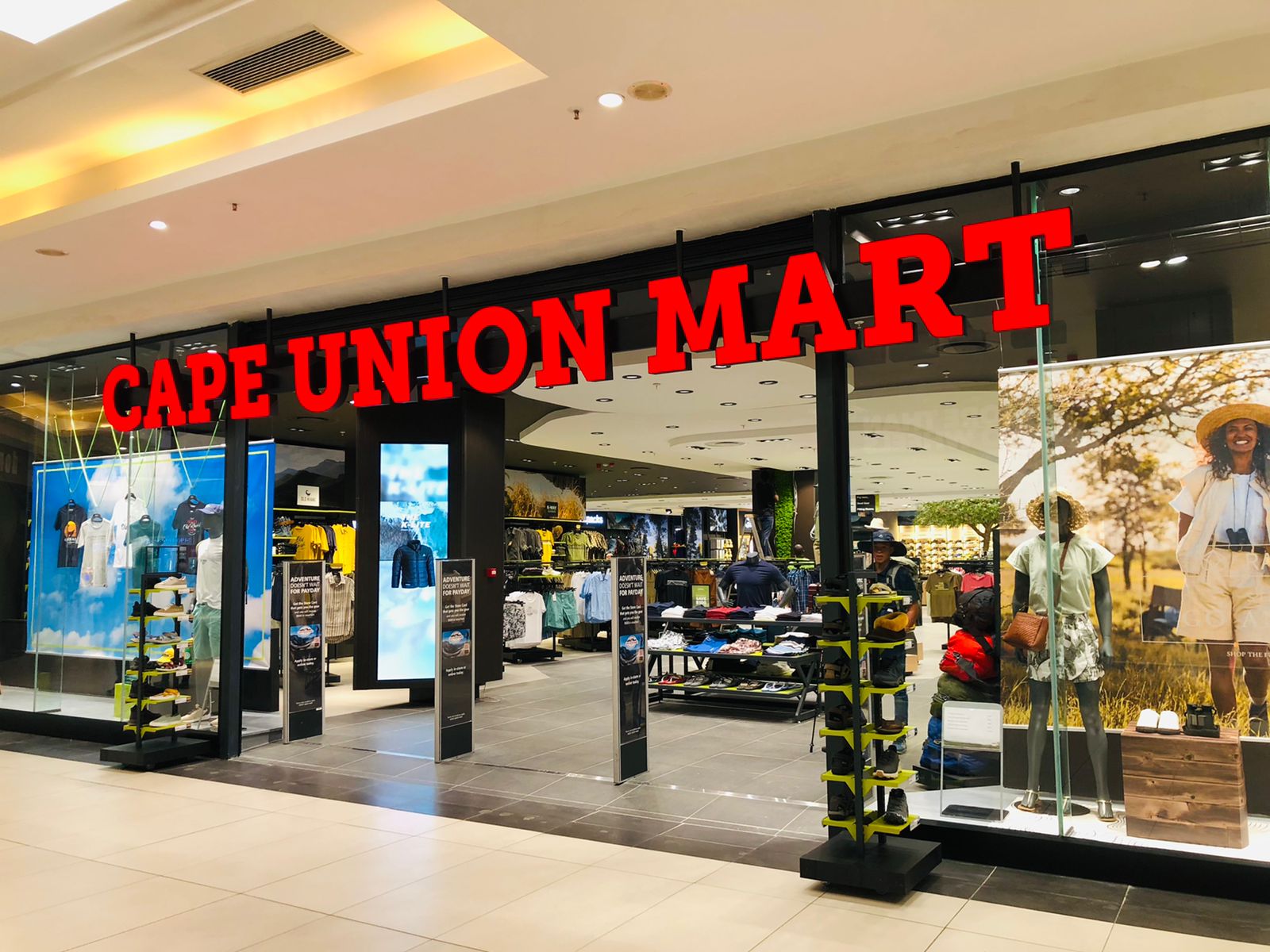
The Palestinian Solidarity Campaign (PSC) are taking their fight against Cape Union Mart back to court, seeking leave to appeal a Western Cape High Court judgment that restricted what they can say about the retailer, its brands and executive chairperson Philip Krawitz during their boycott and protest campaign.
The application asks the Western Cape High Court in Cape Town to grant permission for an appeal to the Supreme Court of Appeal.
The legal battle follows a judgment delivered on 4 September by a three-judge full bench comprising Judges Judith Cloete, Constance Nziweni and Roy Barendse.
What the High Court ordered
The original case was brought by Cape Union Mart International and Krawitz against Magmuda Ockards, Muhammad Shafiq Gamiet, Mohamed Zain Jeenah, Sherazaad Rahima Sylvester, Sayed Ridhwaan Mohamed, unidentified protesters and the PSC.
The court granted a final interdict restricting the respondents from making several claims.
Among the prohibited statements are claims that Cape Union Mart or brands including Poetry, Old Khaki and K-Way are associated with the State of Israel “in any way”.
The respondents were also restrained from claiming that the company or Krawitz are funding “genocide”, the Israeli army or the conflict in Gaza, or that they are killing children or complicit in the killing of children.
The order further prohibits defamatory statements alleging that the applicants support genocide in Gaza. Protesters may also not prevent customers from accessing Cape Union Mart stores and must comply with the Regulation of Gatherings Act during protests at the company’s premises.
Importantly, the judgment did not prohibit the boycott of Cape Union Mart or peaceful protest itself.
The court specifically said the case was not about limiting criticism of Israel or preventing the respondents from assembling in public places or boycotting the retailer.
Why PSC is appealing
The activists argue that parts of the order are too broad and could restrict constitutionally protected freedom of expression and protest.
One of their central complaints concerns the wording prohibiting claims that Cape Union Mart or its brands are associated with Israel “in any way”.
According to the appeal grounds reported by IOL, the applicants argue that such wording could potentially prohibit statements that are true and non-defamatory.
They also challenge the restrictions concerning allegations that the company or Krawitz fund the conflict in Gaza, or are complicit in or support conduct associated with it.
The activists argue that the court should have confined any interdict to specific statements or conduct that had actually been proven unlawful or was reasonably expected to occur.
Who is involved
The appeal application involves the PSC and four individuals – Magmuda Ockards, Muhammad Shafiq Gamiet, Mohamed Zain Jeenah and Sherazaad Rahima Sylvester – while Sayed Ridhwaan Mohamed was also among the original respondents.
The Centre for Applied Legal Studies appeared in the original proceedings as an amicus curiae, or friend of the court, assisting with broader legal and constitutional issues.
The activists are also challenging how responsibility for protest material was attributed.
They acknowledge that the PSC produced some material and that Jeenah displayed a poster carrying the words “They Fund Genocide”. However, they argue that this did not establish that every respondent was responsible for every poster, statement or publication made during protests.
They further contend that simply organising or attending a demonstration does not automatically mean an individual adopted everything said or displayed there.
The dispute goes back to 2023
The court judgment records that PSC supporters began gathering outside Cape Union Mart stores from November 2023, following developments in Gaza.
According to the judgment, the protests continued for about 19 months before Cape Union Mart approached the High Court.
The PSC said the demonstrations formed part of a wider boycott campaign targeting businesses it believes are linked to Israel’s military campaign in Gaza.
The organisation argued that Krawitz’s leadership positions in organisations involved in raising funds for Israel provided the basis for public discussion and its boycott campaign.
Cape Union Mart and Krawitz disputed the allegations and approached the court, arguing that the claims were defamatory and that the protests had also involved conduct affecting customers and employees.
What the court said about the evidence
In its judgment, the High Court found that the respondents had not established a sufficient factual basis for the allegations at issue.
The judges said the respondents relied heavily on hearsay and material found online, and concluded that the requirements for a final interdict had been met.
The court found that Cape Union Mart and Krawitz had established a clear right to protection of their reputations and, in the case of the retailer, protection of customers’ access to its stores.
The judgment also noted that some of the relief initially sought by Cape Union Mart was too broad.
Despite largely succeeding, the company and the respondents were ordered to pay their own legal costs.
Judge Cloete also criticised remarks made by Krawitz during a 2024 interview, saying he “probably stoked the proverbial fire” surrounding the dispute.
Cape Union Mart stands by the ruling
Cape Union Mart has defended the judgment and said it will oppose the appeal.
“We stand by that judgment,” the company said.
Its legal adviser, Simone Sulcas, said the court proceedings were brought over what the company described as harassment and intimidation of customers and employees, alleged breaches of the Regulation of Gatherings Act, and claims linking Cape Union Mart and Krawitz to Israel and the conflict in Gaza.
“Our High Court action was the option of last resort to get the respondents to simply refrain from making the false claim that the applicants are funding a genocide and are killing babies,” Sulcas said.
The retailer has also said it has a longstanding corporate social investment policy and donates to causes in South Africa, while maintaining that it has never donated funds to any entity outside the country.
The boycott is not over
For now, the court order does not end the PSC’s boycott campaign against Cape Union Mart.
The organisation can continue to protest and call for a boycott, provided it operates within the restrictions imposed by the judgment.
The appeal now places the scope of those restrictions under renewed legal scrutiny, with the PSC arguing that the order goes beyond the specific defamatory conduct that Cape Union Mart took to court and risks affecting broader political expression and protest.
Whether the High Court grants leave to appeal, and potentially allows the matter to proceed to the Supreme Court of Appeal, will determine the next stage of the increasingly heated legal battle.
