

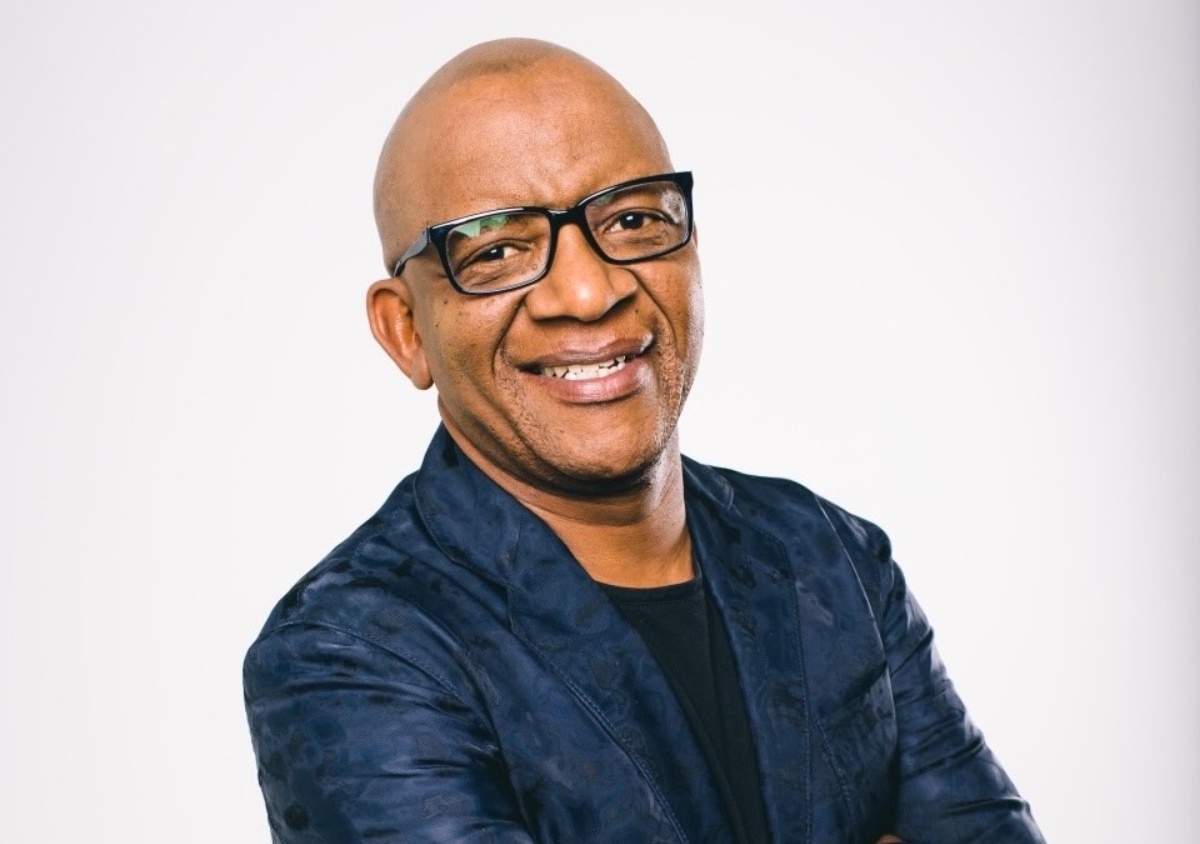
For Lebohang “Lebo M” Morake, one of South Africa’s most celebrated musical exports, August 21 marked a deeply personal milestone: 21 years without alcohol.
The legendary composer and producer took to social media to share the achievement almost as an afterthought, revealing that he had only realised the significance of the date while sitting at his desk working.
“Working at my home desk. I just realized I am 21 years sober (since Aug 21, 2005), humbled and feeling blessed,” Lebo M wrote.
His post came with the kind of understated reflection that has come to define his public conversations about sobriety. Rather than presenting the milestone as the end of a struggle, he appeared to frame it as another chapter in a life filled with extraordinary highs, painful lows and hard-earned lessons.
He added that he had “all kinds of plans” but his work at home had reminded him to focus because there were deadlines to meet.
For a man whose career has taken him from the streets of Soweto to some of the biggest stages and film productions in the world, the 21-year milestone is significant not only personally but as part of a much bigger story of survival and reinvention.
A battle he has spoken about openly
Lebo M has never hidden the fact that alcohol once became a serious problem in his life.
He has in the past revealed that his battle with alcohol had resulted in him going to rehabilitation three times.
“I have been sober for 16 years. But due to my battle with alcohol I ended up in rehabilitation three times,” he said at the time.
He also recalled leaving rehabilitation in Los Angeles in 2006, a period overshadowed by the devastating death of his young son. His sobriety journey therefore unfolded alongside some of the most painful experiences of his life.
A year later, speaking candidly about his past on Podcast and Chill with MacG, Lebo M was even more direct about the role alcohol had played in his life.
“My only two vices were the ladies and alcohol,” he said.
He also made a distinction between alcohol and harder drugs, saying: “If I had danced anywhere near cocaine or any drugs, I would have been long dead.”
His comments offered a rare glimpse into the personal struggles behind the public success, while also making clear how seriously he regarded the road he had travelled.
‘Falling is a part of life’
Lebo M has previously spoken about sobriety not as something that erases the past, but as part of learning from it.
In a 2022 interview with News24’s Drum, he reflected on the failures, pain and difficulties that had marked different chapters of his life, including alcohol addiction.
“I think sonke siyabhatyaza,” he said, meaning “we all mess up”, before explaining that falling is part of life but getting back up is what matters. “Falling happens, but you don’t stay down.”
He also offered a blunt warning about drinking and driving, saying that if someone repeatedly has accidents after drinking, something has to change.
“Life is about keeping it moving and not repeating the same mistakes,” he said.
At the time, he was 18 years sober.
That makes his latest declaration particularly powerful. The 21-year mark represents another three years added to a journey he has repeatedly described with honesty rather than glamour.
From Soweto to Hollywood
Long before he became internationally recognised as one of the defining musical voices behind The Lion King, Lebo M was a child performer from Soweto.
Born Lebohang Morake in 1964, he began performing professionally at a remarkably young age. Disney’s biography of the composer records that he left school at nine and performed in nightclubs in Soweto, becoming the youngest performer at the Club Pelican at 13.
His journey eventually took him into exile and to the United States, where he studied at the Duke Ellington School of Music in Washington, DC before moving to Los Angeles.
The early Hollywood years were far from glamorous. He worked a string of jobs, including parking cars, washing dishes and working at a hot-dog stand, while pursuing his musical ambitions.
His breakthrough came through his work on The Power of One, where he collaborated with composer Hans Zimmer. That relationship would ultimately change the course of his career.
Zimmer later brought him into the world of The Lion King.
The voice and spirit of The Lion King
Lebo M became an integral part of The Lion King’s musical identity, working alongside Zimmer on the 1994 animated classic and contributing vocals, arrangements and compositions.
His voice opens the film with the now-iconic Zulu chant “Nants’ Ingonyama”, immediately placing an African musical identity at the centre of one of Hollywood’s most successful animated films.
His work on The Lion King expanded far beyond the original movie. He contributed to the stage musical, sequels and subsequent productions, while songs including “He Lives in You”, “Shadowland” and “Endless Night” became globally recognised pieces of the franchise. His official biography describes his music as reaching audiences of more than 90 million people through The Lion King productions.
He went on to work on numerous other films and projects, including The Power of One, Outbreak, Congo, Tears of the Sun and The Legend of Tarzan, while collaborating with some of the biggest names in film music.
His achievements include a Grammy Award and a Tony nomination, while his work has also earned him South African Music Awards recognition.
A career that kept rising
Beyond Hollywood, Lebo M has continued to build an expansive career across music, theatre, film and major live events.
He was involved in The Lion King’s historic South African production, which broke theatre records during its run, and later served as executive creative producer and composer for the opening and closing ceremonies of the 2010 FIFA World Cup in South Africa.
He has also toured with Hans Zimmer, performed internationally and continued to develop his own music and creative projects.
Yet his career has not been without hardship. His story includes homelessness, financial difficulties, addiction, broken relationships and profound personal loss. His remarkable professional achievements therefore exist alongside a very human story of rebuilding.
As he told Drum in 2022: “You learn to separate yourself from the brand.”
21 years later
Now, 21 years after August 21, 2005, Lebo M can look back on a period that has seen him continue to create, perform, produce and expand his legacy.
His latest sobriety milestone also adds another dimension to a career often defined by the enormous cultural footprint of The Lion King.
For someone whose music has become synonymous with beginnings, journeys and the circle of life, the significance of his own journey is hard to miss.
Twenty-one years sober is not simply a number.
It is 21 years of choosing another path, one day at a time.
And, as Lebo M himself put it, he is “humbled and feeling blessed.”
