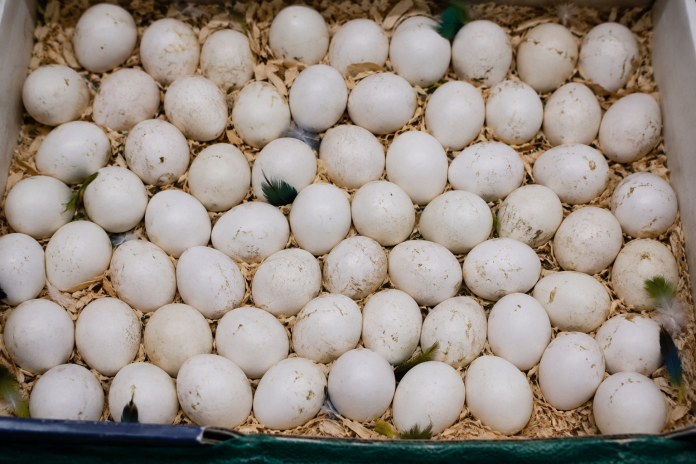

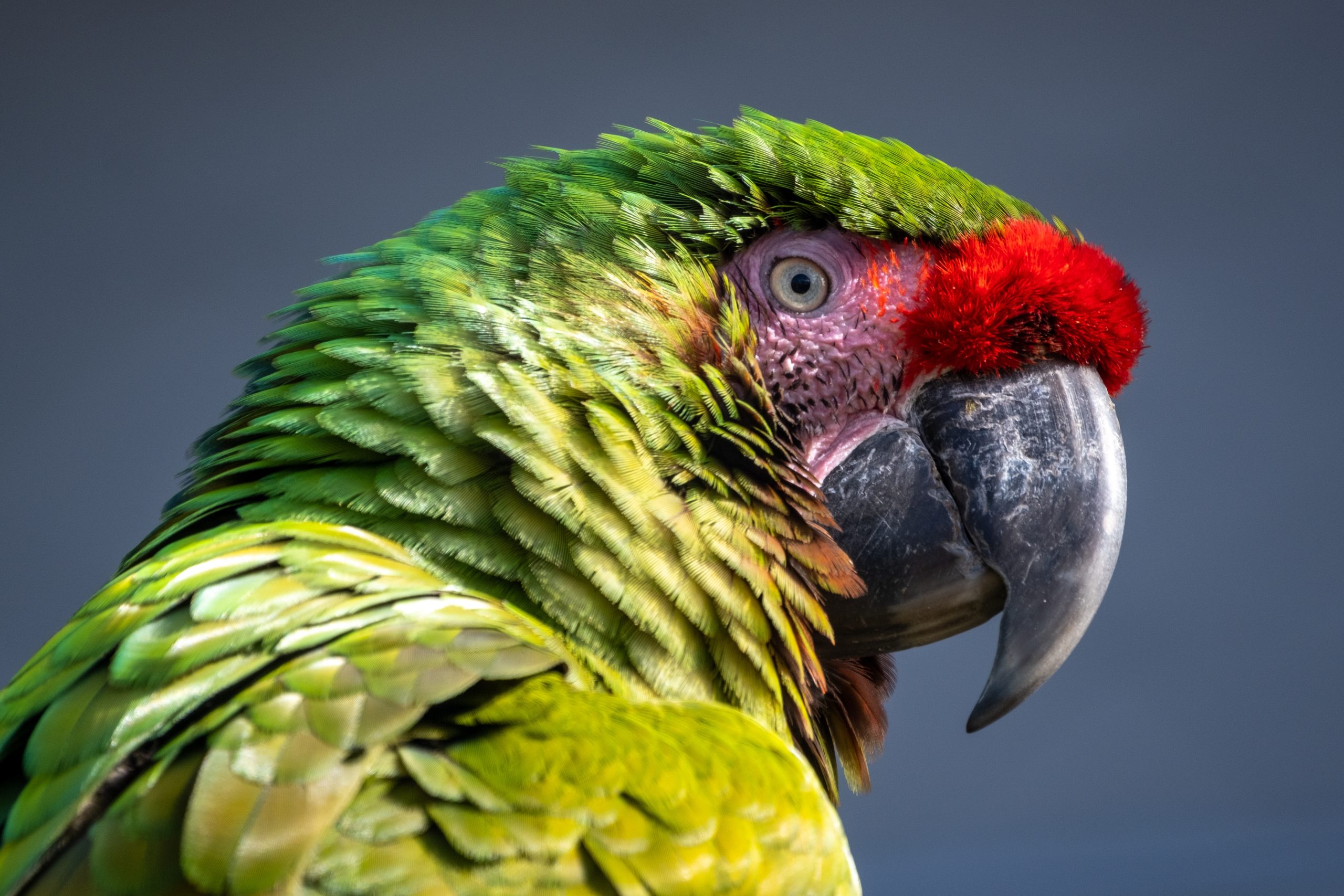
A second Thai national has been arrested at OR Tambo International Airport in just over a month after allegedly attempting to smuggle protected parrot eggs out of South Africa in a homemade incubator.
Second egg-smuggling arrest raises alarm
A 50-year-old Thai national was arrested at OR Tambo International Airport on August 20 after authorities allegedly found 50 protected bird eggs concealed inside a makeshift incubation device disguised as hand luggage.
The arrest has raised fresh concerns about organised wildlife trafficking, particularly after a similar interception at the same airport in July involving another Thai national.
According to the Department of Forestry, Fisheries and the Environment (DFFE), preliminary investigations indicate that the eggs may have originated from parrot species protected under the Convention on International Trade in Endangered Species of Wild Fauna and Flora (CITES).
Authorities allege the homemade incubator was designed to keep the eggs alive during the journey, suggesting that the smuggling attempt was carefully planned.
Intelligence operation stops the alleged smuggling attempt
The suspect was intercepted during a coordinated operation involving Environmental Management Inspectors, commonly known as the Green Scorpions, SAPS Crime Intelligence, Border Police and the SAPS Stock Theft and Endangered Species Unit.
Officials said the operation was intelligence-led and prevented the eggs from leaving South Africa.
The latest arrest comes just weeks after a 23-year-old Thai national was allegedly caught at OR Tambo on July 16 with 418 parrot eggs hidden inside two homemade incubator bags.
Authorities have not confirmed that the two cases are connected, but the striking similarities have intensified scrutiny of possible international wildlife trafficking networks operating through South African airports.
Minister warns of organised wildlife crime
Forestry, Fisheries and the Environment Minister David Maynier said the arrest demonstrated the importance of different agencies working together to combat wildlife trafficking.
“The success of this operation demonstrates the need for a joint approach to enforcing environmental law,” Maynier said.
He warned that wildlife trafficking was not simply an environmental issue but involved increasingly sophisticated criminal networks.
“The complex criminal networks that support illegal wildlife trafficking can only be challenged by a coordinated defence of our natural heritage,” he said.
Eggs now in the hands of conservation specialists
The confiscated eggs have been handed over to the South African National Biodiversity Institute (SANBI), with specialists at the National Zoological Garden in Pretoria working to incubate and care for them.
Several of the eggs have already hatched, with the chicks receiving intensive veterinary and husbandry care.
The rescue effort is particularly important because the illegal removal of eggs from nests can have a direct impact on breeding populations, while transporting developing eggs in improvised conditions can also reduce their chances of survival.
Maynier praised the SANBI teams and specialists involved in trying to save the confiscated eggs and newly hatched chicks.
Millions in fines and prison time possible
South Africa has strict controls on the international movement of protected wildlife. The export of animals or specimens belonging to CITES-listed species is generally subject to permits and other regulatory requirements.
Under the National Environmental Management: Biodiversity Act, people convicted of certain wildlife-related offences can face fines of up to R10-million, imprisonment of up to 10 years, or both.
The government says the airport interceptions underline the importance of the National Integrated Strategy to Combat Wildlife Trafficking, which brings together conservation authorities, police, customs officials and prosecutors.
Authorities now probing bigger trafficking network
Investigators are expected to establish where the eggs came from, where they were allegedly headed and whether the arrested man was acting independently or as a courier for a larger international wildlife trafficking operation.
With two major parrot-egg seizures involving Thai nationals at OR Tambo within weeks, authorities are facing growing questions about whether the airport is being targeted as a transit point in the illegal wildlife trade.