

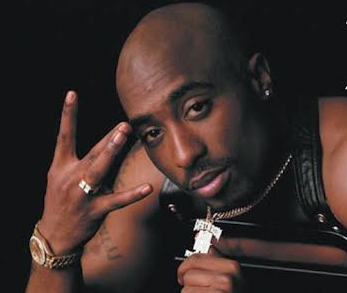
Nearly three decades after Tupac Shakur was gunned down in Las Vegas, the long-running mystery surrounding the death of one of hip-hop’s most influential figures has finally reached a courtroom.
Jury selection began this week in the murder trial of Duane “Keffe D” Davis, a former South Side Compton Crips gang leader accused of orchestrating the September 1996 drive-by shooting that killed Shakur. Davis, 63, has pleaded not guilty to murder with a deadly weapon and faces the possibility of life in prison if convicted.
The case has remained one of the most closely watched unsolved killings in music history. Shakur, then 25, was riding in a BMW driven by Death Row Records boss Marion “Suge” Knight when a white Cadillac pulled alongside them near the Las Vegas Strip on September 7, 1996. Gunmen opened fire, striking Shakur several times. He died six days later, on September 13.
The shooting came at the height of the bitter East Coast-West Coast rivalry that dominated American hip-hop during the 1990s. Shakur had been at the centre of the conflict, while tensions between members of rival gangs had also been escalating.
Prosecutors allege that the attack was revenge for an earlier confrontation at the MGM Grand involving Shakur and Davis’ nephew, Orlando Anderson. They say Davis was the “shot caller” who organised the retaliation and supplied the firearm used in the shooting. He is not accused of being the person who pulled the trigger.
Davis has previously spoken publicly about the night of Shakur’s death, including in interviews and his 2019 memoir, Compton Street Legend. Prosecutors are expected to rely heavily on those statements as they attempt to establish his involvement.
In the memoir, Davis described the moment the Cadillac carrying him and several associates came across Shakur’s vehicle. He wrote: “Tupac made an erratic move and began to reach down beneath the seat … and that’s when the fireworks started.”
He continued: “One of my guys from the back seat grabbed the Glock and started bustin’ back.”
Davis has since attempted to distance himself from some of his previous claims, with his defence arguing that his accounts were exaggerated or fictionalised for publicity and financial gain. A judge, however, ruled that several of his statements could be presented as evidence.
The prosecution faces the challenge of proving its case nearly 30 years after the shooting. Several people connected to the events are now dead, including Anderson, who was long considered a suspect but was never charged with Shakur’s murder. Anderson was killed in an unrelated gang shooting in 1998.
Legal experts have warned that the age of the case could make the prosecution difficult. Former federal prosecutor Neama Rahmani said: “The D.A. is going to have to corroborate his admissions with independent evidence.”
He added that because the crime is three decades old, “forensic and other scientific evidence may be tough to come by”.
The trial is expected to last several weeks, with prosecutors and defence lawyers preparing to call dozens of witnesses. The possibility of testimony from figures connected to Shakur and Death Row Records has also generated considerable interest, although not every high-profile name linked to the case has been confirmed as a witness.
Shakur’s death shocked the music industry and cemented his status as a cultural icon. Born in New York in 1971, he became one of the defining voices of 1990s hip-hop through albums including 2Pacalypse Now, Me Against the World and All Eyez on Me. His music addressed poverty, racism, violence, family struggles and life on the streets, while his acting career added to his growing influence.
His death also became a defining moment in the history of hip-hop, spawning decades of speculation, conspiracy theories and competing accounts over who was responsible.
Davis’ arrest in 2023 marked a major breakthrough in the investigation. He became the only surviving person from the group of men authorities have linked directly to the shooting.
Now, nearly 30 years after Tupac’s final moments on a Las Vegas street, prosecutors will attempt to convince a jury that Davis played a central role in the killing, while his defence will seek to undermine the credibility of the statements that ultimately helped bring the long-cold case back into court.
For Shakur’s family, friends and millions of fans around the world, the trial represents the possibility of finally answering one of music’s most enduring questions: who was responsible for the death of Tupac Shakur?
