

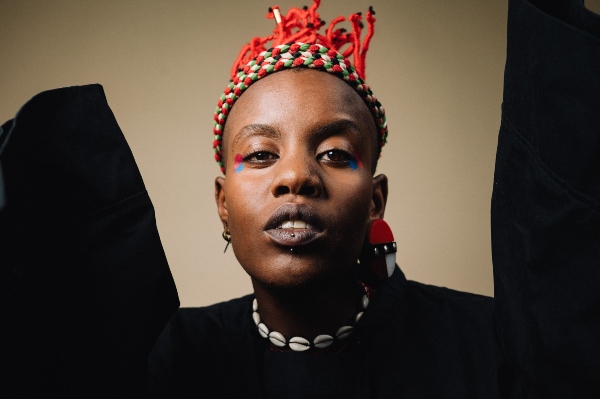
Musician Toya Delazy has weighed in on the growing controversy surrounding Lwah Ndlunkulu and her record label, Inkabi Records, questioning how artists are compensated, who owns their music and whether record companies are transparent about the financial arrangements behind successful careers.
Her comments come as Lwah’s desire to leave the label, founded by Big Zul and Leroy Khoza, continues to attract attention, with questions surrounding her contract, finances and recent health struggles placing the music industry under renewed scrutiny.
Taking to social media, Toya drew from her own experience of trying to exit a major record deal with Sony Music, describing the emotional and professional consequences she says followed her attempt to regain control of her career.
“Sifuna fair splits! Show us the splits, not the cars and houses. Prosperity is not the same as equity,” she wrote.
She recalled experiencing psychosis while trying to leave Sony, saying the process took years and left lasting damage to her career.
“I remember going into psychosis while trying to leave Sony. It took years of my life, and to this day I am still trying to repair the damage left behind. From being shadow-banned to being denied mainstream access, the culture has too often been about retaining artists as local cash cows rather than empowering them to own and control their careers,” she said.
The musician argued that an artist’s visible lifestyle should not be confused with financial independence or fair compensation.
“An artist having a car and a house doesn’t answer the question of whether they’ve been fairly compensated for their work.”
She challenged record companies to be more transparent about royalty arrangements, ownership of master recordings and the division of revenue between artists and labels.
“So, what are the splits saying? Where is the ownership? Where is the transparency?” she asked.
“Amaqatha encoso adliwa ubani?”
Toya also said her experience deserved to be examined, not for sympathy, but to ensure younger musicians do not experience similar difficulties when attempting to take control of their careers.
“My story, as one of Africa’s biggest pop stars, and what really happened behind the scenes deserves to be studied. Not for sympathy, but so that the next generation doesn’t have to pay the same price for trying to reclaim their autonomy,” she said.
Her comments come days after Buzz Life News reported that Lwah, whose real name is Lwandile Mtshali,wanted out of Inkabi Records amid disagreements reportedly involving money and contractual obligations.
A source familiar with the situation told Buzz Life News that the singer had been unhappy with certain aspects of her working relationship with the label and had allegedly communicated her concerns without reaching a satisfactory outcome.
The report also raised questions about her contract and whether she could leave without facing contractual complications.
The controversy intensified after Podcast and Chill executive producer Duduzile Methula revealed that Lwah had allegedly expressed an interest in leaving the label and speaking publicly about her experience.
Inkabi Records subsequently released an official statement on 10 November, rejecting allegations that the company was responsible for the singer’s health challenges.
The label disclosed that, according to a doctor’s assessment and test results, Lwah was experiencing psychosis and receiving professional care at a wellness and rehabilitation facility selected in consultation with her family.
It also said it had been covering the costs of her treatment and had worked with her family over the preceding two months to secure professional support.
“We wish to state categorically that Inkabi Records rejects the allegations that the label is responsible for Lwah’s current health challenges,” the statement read.
The label further maintained that its understanding, based on engagements with Lwah and her family, was that her difficulties were associated with personal circumstances, including concerns related to substance use.
Inkabi Records also addressed questions about its financial and contractual relationship with the singer, insisting that its dealings had been fair and consistent with their agreements.
The company referenced music executive Dr Sipho Sithole, Lwah’s grandfather and owner of Native Rhythms, saying he had been familiar with her professional relationship and contractual arrangements with the label from the early stages of her career.
The label said it had initially chosen not to discuss her private circumstances publicly but felt compelled to respond to allegations circulating on social media.
Lwah has not publicly responded to the latest statement or independently confirmed the details of the medical assessment disclosed by the label.
The dispute has also revived memories of previous departures from Inkabi Records, including musician Mduduzi Ncube, who left the label in 2026 and subsequently raised questions about outstanding royalties. Inkabi Records previously disputed his claims, with business executive Leroy Khoza maintaining that the artist had received his financial statements.
For Toya, however, the bigger issue extends beyond one artist or one record company. She believes the South African music industry needs to confront how recording contracts are structured, how royalties are calculated and whether artists retain meaningful ownership of the work that generates revenue.
She ended her message with a warning about the personal cost of navigating the industry without adequate transparency and control.
“Don’t show us the lifestyle. Show us the paperwork. Health challenges will come and psychosis when you realise you sold your soul – spiritually ill is called dis-ease in the physical realm.”
Her intervention adds another voice to an increasingly important conversation about artist rights, financial transparency and the power imbalance between musicians and the companies responsible for developing and commercialising their talent.
