

Three South African artists, Fhatuwani Mukheli, Justice Mukheli and Sthu Manaka, are set to present their first group exhibition in a gallery, bringing together their individual interpretations of identity, faith, memory and love.
Titled My Loves Summer, the exhibition opens at Gallery MOMO on 16 November 2026 and will run until February 2027.
The exhibition brings together three distinct bodies of work by artists whose creative relationship is rooted in friendship and their shared experience through My Loves Studio. While they share a history and a creative space, each artist explores different themes through their work.
Fhatuwani Mukheli examines the representation of Black people in art history, Justice Mukheli explores spirituality and the tensions between ancestral practices and Christianity, while Sthu Manaka’s latest collection considers faith, vulnerability and the importance of unseen support.
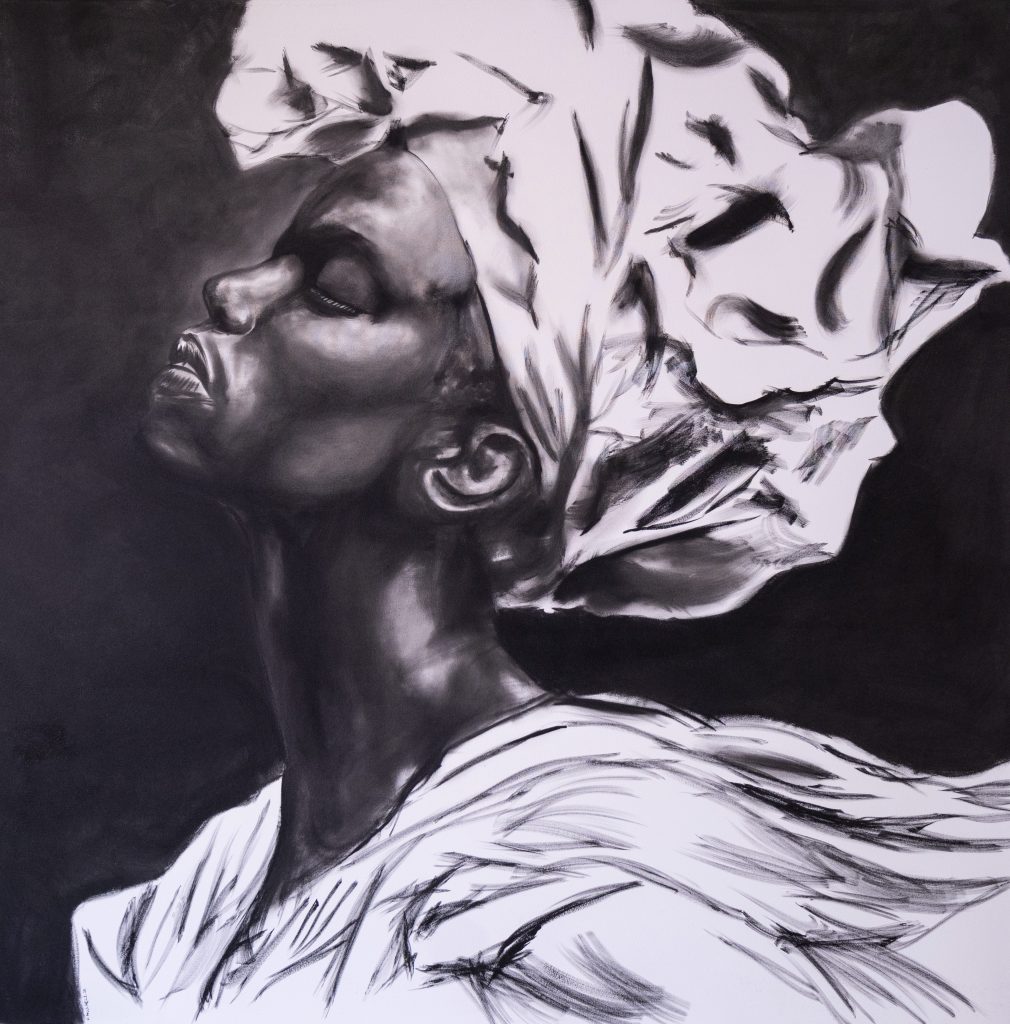
For Fhatuwani, his contribution centres on portraying Black people with dignity, placing them within the visual language and scale of Renaissance compositions, where they have historically been marginalised or absent.
Working with monochromatic black oil on Belgian linen, he creates paintings that sit between drawing and painting. His experience in photography, advertising and graffiti informs his approach to light, composition and scale.
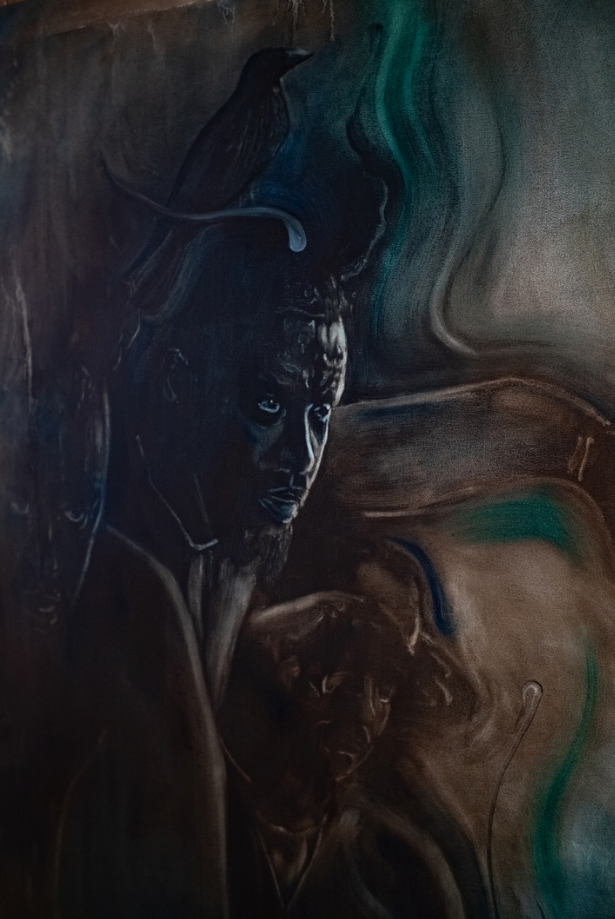
His work is also influenced by his experiences growing up between Soweto and Venda, particularly family gatherings and December visits to his grandfather’s home.
“Black people deserve peace, relaxation, opulence, royalty and joy,” says Mukheli. “I want audiences to leave feeling that this is not an exception but something we were always owed.”
Justice’s contribution includes photographs from his series I Heard There Are Rivers in the Sky, combining new work produced in Lagos with earlier photographs taken in South Africa.
Through the images, he explores water as a meeting point between different spiritual beliefs. In ubungoma, water represents a place of encounter with ancestors, while in Christianity it is associated with baptism, cleansing and renewal.
Rather than attempting to resolve the differences between the two belief systems, his work invites audiences to reflect on the tensions between them.
One of the photographs, Untitled IV (2026), depicts a man standing at the water’s edge at dusk, facing away from the viewer. His intentions remain unclear, leaving audiences to consider whether he has come to pray, seek cleansing or communicate with his ancestors.
“I am not asking anyone to pick a side. I am asking them to stand inside the question with me,” says Justice Mukheli. “The photograph doesn’t answer that, and neither do I.”
The series draws from his own experiences growing up in a Christian environment where there was little room to explore alternative spiritual beliefs. His later encounters with ubungoma prompted him to question some of the beliefs he had inherited.
His time working in Lagos further broadened his perspective, as he encountered similar spiritual tensions in a different cultural setting.
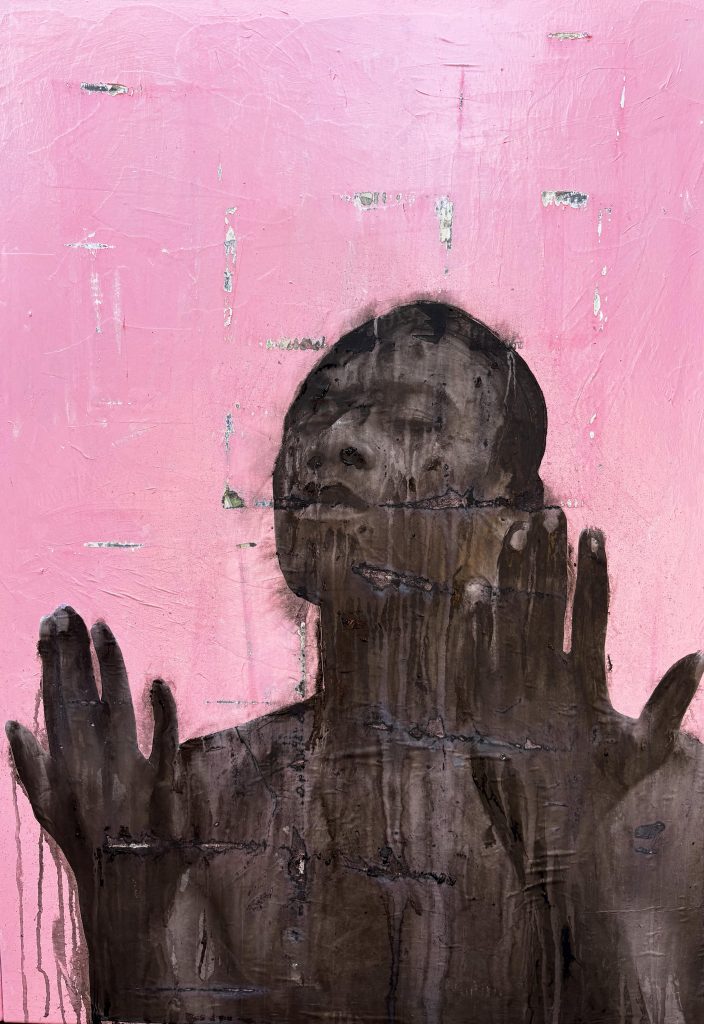
Meanwhile, Sthu Manaka presents a new body of work titled Lost Boys, marking a departure from the eye imagery associated with his earlier pieces.
The collection explores vulnerability, faith and the need for people to feel supported during uncertain moments. One of its central works, Morwa Waka, depicts a hand reaching towards a kneeling figure, offering comfort.
Inspired by the emotional atmosphere of Nduduzo Makhathini’s song At Your Feet, Oh Lord, the work reflects Manaka’s belief that support and protection can exist even when they are not immediately visible.
“This body of work is the in-between of life,” says Manaka. “When you are having the time of your life, you do not see the hand that protects you. When you are crying and feeling down, you do not see the hands that shelter you. This work is a reminder that we are not alone.”
Manaka describes the collection as a culmination of techniques he has developed over time, while also experimenting with new materials and textures.
The exhibition’s central theme of love extends beyond romantic relationships, exploring how people connect with their histories, families, beliefs and communities.
For the three artists, My Loves Summer also represents an opportunity to share their creative journey with a wider audience, taking a brotherhood that began among three men from Soweto into a gallery setting.
“Loving my people, for me, means painting them with the care, scale and grandeur usually reserved for kings, gods and saints,” says Fhatuwani Mukheli.
While Justice explores love through the willingness to confront difficult questions, Manaka considers the unseen forms of care that sustain people through different stages of life.
Together, their work creates a conversation about Black identity, spirituality and contemporary experiences, while allowing each artist to retain his individual creative voice.
My Loves Summer opens at Gallery MOMO on 16 November 2026 and runs until February 2027.