

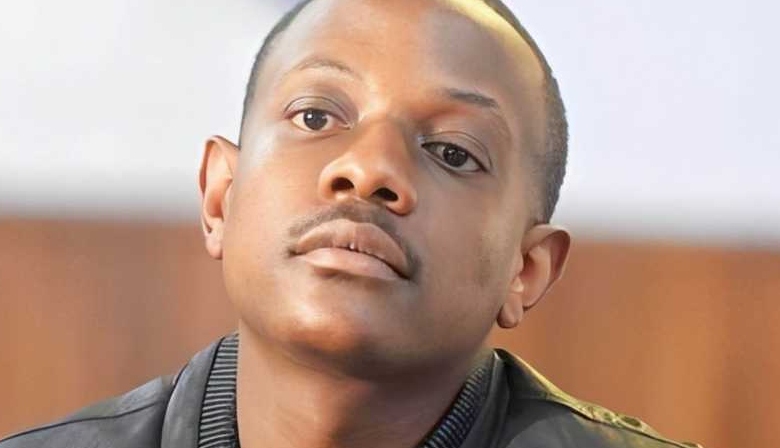
Bellarmine Chatunga Mugabe, the youngest son of the late former Zimbabwean president Robert Mugabe, has walked free after drug possession charges against him were withdrawn in Zimbabwe, bringing a fresh development in a case that has attracted attention across the region.
The 28-year-old appeared before the Harare Magistrates’ Court on Friday, 16 October 2026, following his arrest over alleged possession of drugs. The development comes months after he was arrested in South Africa following a shooting at a Johannesburg residence, before being fined and ordered to leave the country.
The latest drug case was withdrawn by prosecutors before Mugabe entered a plea. The withdrawal means he will not face prosecution on those charges in that case, although it does not erase his previous legal history in South Africa.
Drug charges withdrawn before plea
The latest case centred on the alleged discovery of 72 grams of cannabis, commonly known as mbanje in Zimbabwe, during a police search of a vehicle in which Mugabe was travelling with his friend, Max Mugaba.
According to Mugabe’s lawyer, Simbarashe Mukwekwezeka, his client had picked up Mugaba while on his way to get a haircut and did not know that his friend was allegedly carrying the drugs.
“The vehicle was searched and that is when the drugs were discovered,” Mukwekwezeka said, according to reports from Zimbabwe.
Zimbabwe’s National Prosecuting Authority withdrew the charge against Mugabe before he was asked to enter a plea. His friend, however, remained before the court facing the drug possession charge, with proceedings continuing separately.
The prosecution has not publicly provided a detailed explanation for withdrawing the charge in the reports available. The withdrawal should therefore not be presented as a conviction being overturned or as proof that the alleged drugs did not exist. It means the charge against Mugabe was not pursued in that particular case.
What happened during his previous arrest in South Africa?
The latest development follows Mugabe’s arrest in Johannesburg in February 2026 after a 23-year-old employee was shot at a residence in Hyde Park where Mugabe had been staying.
Gauteng police said the shooting followed an altercation at the property. The employee sustained a gunshot wound and was taken to hospital, while police launched an investigation into the circumstances surrounding the incident.
At the time, police spokesperson Colonel Dimakatso Nevhuhulwi confirmed that two men had been arrested.
“Indeed, the firearm that was used in the commission of crime has not been found,” Nevhuhulwi said when addressing the investigation.
Mugabe and his cousin, Tobias Matonhodze, initially faced attempted murder charges. Both were also accused of defeating the ends of justice as investigators searched for the firearm allegedly used in the shooting.
However, the case later took a different direction. Matonhodze pleaded guilty to attempted murder and other offences connected to the incident, while Mugabe pleaded guilty to separate offences involving immigration violations and pointing an object resembling a firearm in a manner likely to cause alarm.
R600,000 fine and deportation
On 29 April 2026, the Alexandra Magistrates’ Court fined Mugabe a total of R600,000 and ordered his deportation to Zimbabwe.
He received a R400,000 fine for pointing an object resembling a firearm and a further R200,000 fine for contravening South Africa’s Immigration Act. He was also declared unfit to possess a firearm.
Matonhodze, meanwhile, received a three-year prison sentence after pleading guilty to more serious charges, including attempted murder and firearm-related offences.
The South African case is distinct from the latest Zimbabwean drug matter. Mugabe’s guilty pleas in South Africa related to the firearm-pointing and immigration offences, not a conviction for the shooting itself.
The deportation order meant he was required to leave South Africa, bringing that phase of the proceedings to an end. Reports in October subsequently raised questions about whether he had returned to South Africa, although those claims were disputed by his legal representatives.
A family repeatedly in the headlines
Mugabe is the youngest son of former Zimbabwean president Robert Mugabe and his wife, Grace Mugabe. His father ruled Zimbabwe for 37 years before being removed from power in 2017 and died in 2019.
The family has previously attracted legal scrutiny in both Zimbabwe and South Africa. In 2017, Grace Mugabe faced an assault allegation in Johannesburg involving model Gabriella Engels. The case became a major diplomatic controversy after diplomatic immunity was granted to Grace Mugabe, a decision that was subsequently overturned by the courts.
His older brother, Robert Mugabe Jr, also faced a cannabis possession case in Zimbabwe in 2025 and was fined
