

South Africa has recorded 18 laboratory-confirmed mpox cases and one probable case, with the Department of Health warning of a rapid increase in infections over the past month.
According to the department, 15 of the confirmed cases have been recorded in the Western Cape, particularly in Cape Town, while three are in Gauteng and one is in KwaZulu-Natal.
The figures were confirmed as of 17 September 2026, with health authorities calling for continued vigilance, early detection and public cooperation to prevent further transmission.
Sharp increase in recent weeks
Of particular concern to health authorities is the pace at which the cases have been recorded.
The department said 13 of the total cases were identified between 13 August and 17 September.
Department spokesperson Foster Mohale said this pattern “suggests a rapid local transmission of this preventable viral infection”.
The department is therefore urging people to remain alert to possible symptoms and to seek medical attention if they develop signs associated with mpox, particularly after close contact with a confirmed or suspected case.
The latest figures represent a significant increase from the National Institute for Communicable Diseases’ update issued on 7 September. At that stage, 10 cases had been reported nationally between 1 January and 3 September, including eight in the Western Cape.
Who has been affected
The Department of Health said the confirmed and probable cases range in age from 23 to 50, with a median age of 36.5 years.
Eighteen of the affected people are male and one is female.
Health authorities have stressed that mpox can affect anyone and should not be associated with a particular race, gender, sexual orientation or socioeconomic group.
Travel-linked case being investigated
One of the more recent cases involves a person who travelled to Spain earlier this month and returned to South Africa on 14 September.
According to the department, the individual underwent testing in Spain after being informed of their probable case status.
“South African health authorities are in contact with their Spanish counterparts regarding laboratory test results of the individual to confirm his mpox status,” Mohale said.
The case is being investigated separately from the confirmed infections as authorities work to establish the laboratory results and possible links.
What is mpox and how does it spread?
Mpox is a viral disease caused by the monkeypox virus, which belongs to the Orthopoxvirus genus. The disease was previously commonly referred to as monkeypox.
South Africa has been among more than 100 countries affected by the global mpox outbreak that began in 2022.
The Department of Health says the virus is transmitted mainly through close physical contact with an infected person, including contact with mpox lesions, scabs and bodily fluids. It can also spread through contaminated materials such as bedding, clothing and towels.
Prolonged close face-to-face contact can also result in transmission through respiratory droplets.
Symptoms to watch for
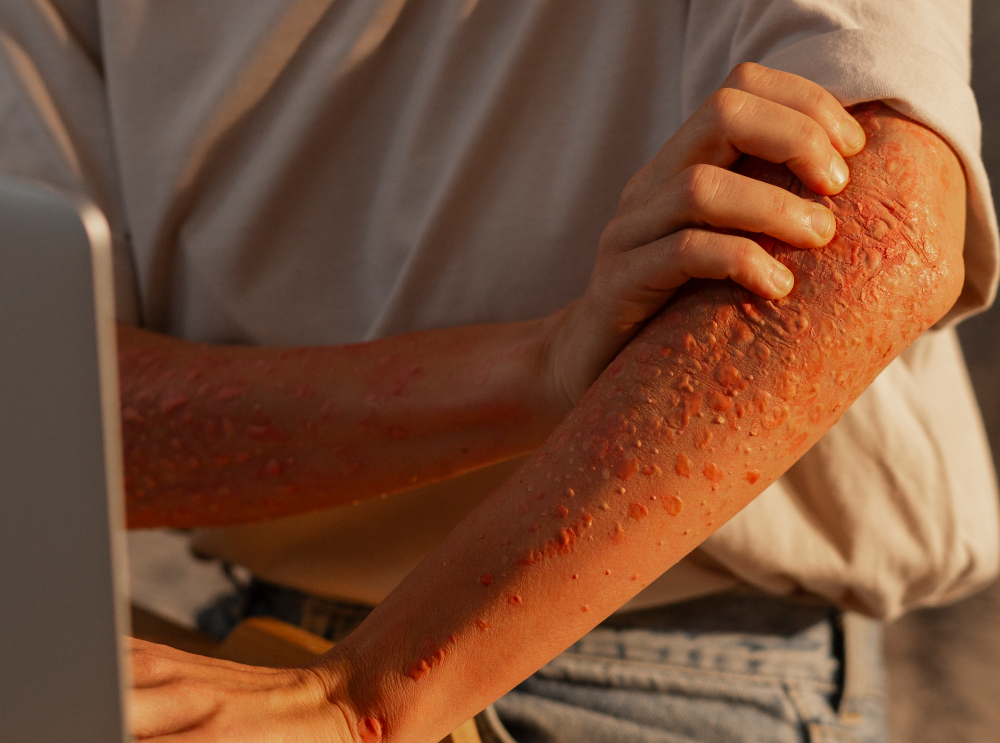
Symptoms can include fever, headache, muscle aches, back pain and fatigue, followed by a rash or skin lesions.
The lesions can appear on the face, hands, feet, genitals and other parts of the body. The department says they may initially appear as flat red spots before developing into bumps, fluid-filled blisters and pus-filled lesions before eventually forming crusts.
Symptoms generally appear between six and 13 days after exposure, although the incubation period can range from five to 21 days.
People who have had close contact with someone who has tested positive are advised to monitor themselves for symptoms for up to 21 days.
Anyone who develops symptoms, particularly after known or suspected exposure, should seek medical attention and avoid close contact with others while awaiting medical advice.
Health authorities urge vigilance without stigma
The Department of Health said continued surveillance and early detection remain important in containing the spread.
“The importance of continued surveillance, early detection, and public cooperation cannot be overemphasised in preventing further transmission,” Mohale said.
The department has also appealed to communities to support people diagnosed with or suspected of having mpox, warning that stigma and discrimination could discourage people from seeking medical care.
Government, with support from the World Health Organization, has secured limited supplies of the MVA-BN mpox vaccine and the antiviral treatment tecovirimat as part of the country’s outbreak response. The department said health authorities will determine where and how these resources are deployed to help contain outbreaks.
