

The Gauteng Department of Education has intensified its crackdown on illegally operating independent schools, with 61 institutions investigated between January and September 2026 and 32 served with closure letters.
The investigation comes as the province’s independent-school sector continues to expand, with the department warning parents to verify that a school is properly registered before enrolling their children or paying fees.
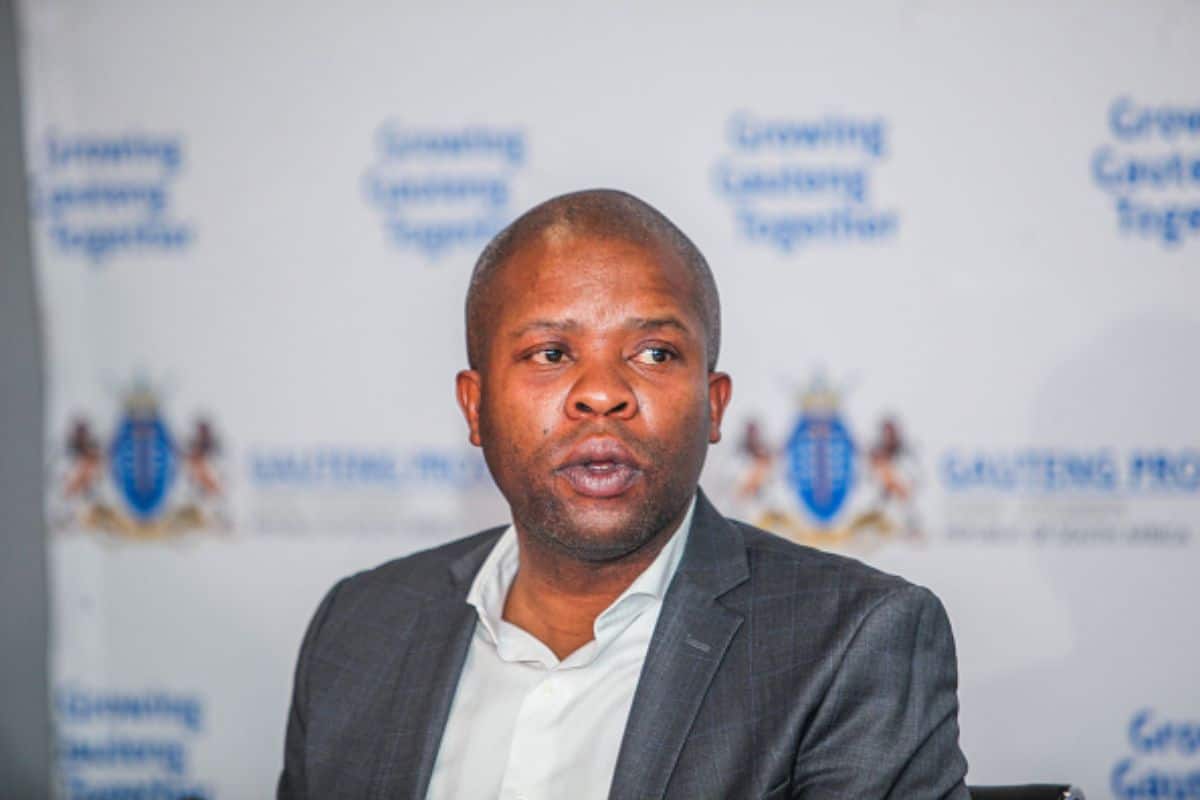
Gauteng Education MEC Lebogang Maile said the investigations followed information received from parents, community members and other government institutions.
Officials visited the schools to establish whether they were properly registered and had the documentation required to operate.
“Where an institution is found to be operating unlawfully, it is instructed to cease operating and the relevant closure process is followed,” Maile said.
Seven of the schools investigated this year have since stopped operating, while four have applied for registration. Two school directors were also arrested as part of the enforcement action.
What makes a school illegal?
The department’s intervention is aimed at schools that operate without the required registration and therefore fall outside the province’s formal regulatory system.
Registration allows the education authorities to establish whether an independent school meets the requirements to operate and provide education legally.
The issue is particularly important because parents may pay fees and send their children to institutions without realising that the school is not legally registered.
The department has therefore urged parents to check a school’s registration status before committing financially.
The latest crackdown follows a similar operation in 2025, when officials visited 57 schools suspected of operating illegally and issued 31 closure letters.
Children still need somewhere to learn
The closure of an illegal school creates another challenge for the department – making sure learners are not left without access to education.
Maile said closing an institution is not considered the end of the department’s responsibility.
“The department does not regard the closure of an illegal school as the end of the matter because the learners still require education,” he said.
District officials are expected to work with parents to place affected learners in legally operating schools.
This is particularly important where children have already spent part of the academic year at an institution that is subsequently shut down.
Thousands of complaints involving independent schools
The crackdown comes amid a much broader set of complaints involving independent schools in Gauteng.
The department recorded 3,688 cases relating to independent schools between 2024 and 6 August 2026.
These included 550 registration-related cases and 518 complaints involving outstanding fees linked to suspension or expulsion.
A further 422 cases involved schools allegedly withholding transfer certificates or learner reports because of outstanding fees.
The department also recorded 458 cases concerning discipline and bullying, 345 relating to admissions or refusal to re-enrol learners, and 312 involving curriculum and assessment issues.
The department has made it clear that contractual or fee disputes do not give schools unlimited power over learners.
According to the department, independent schools may not suspend or expel learners during the academic year, or withhold progress reports, because of contractual disputes between parents and schools.
Gauteng has more than 1,000 registered independent schools
The crackdown should not be confused with the wider independent-school sector, most of which operates legally.
Gauteng currently has 1,083 registered independent schools, up from 961 in 2021.
The sector serves about 379,727 learners and employs nearly 25,000 teachers. Johannesburg has the largest concentration, with 557 independent schools serving about 197,687 learners, followed by Ekurhuleni with 233 schools.
Of the 1,083 registered independent schools, 279 receive government subsidies, while 804 do not.
Maile stressed that receiving a subsidy does not make an independent school a government institution.
“A subsidy does not mean that the government owns the school,” he said.
R1.13 billion for qualifying independent schools
While the department is shutting down schools that operate outside the law, it is also preparing to provide about R1.13 billion in subsidies to qualifying independent schools during the 2026/27 financial year.
Approximately R621 million is earmarked for the primary phase and R508 million for secondary education.
The department said it had allocated about R4.3 billion in transfers and subsidies to qualifying independent schools between the 2022/23 and 2025/26 financial years.
Schools receiving public funding are required to account for how the money is used. The department monitors areas including financial planning, budgets, annual financial statements, banking and cash controls, payroll and assets.
Independent schools under closer scrutiny
The department’s increased scrutiny comes as Gauteng deals with pressure across its education system.
More than 2.4 million learners are enrolled in the province’s public schools, compared with about 379,727 in independent schools.
The independent sector therefore forms a significant part of the province’s overall education landscape, but Maile said its growth does not remove government’s responsibility to strengthen public education.
The department also reported that independent schools recorded a 94.82% matric pass rate in 2025, compared with 89.06% for Gauteng’s public schools. Maile cautioned against assuming that private education automatically produces better results, pointing to factors such as leadership, discipline and a strong focus on learning.
For parents, however, the immediate message from the department is straightforward – before paying fees or enrolling a child, they should establish whether the school is properly registered.
The latest figures show that registration is not simply an administrative issue. For schools found to be operating unlawfully, it can ultimately mean being ordered to close, while leaving education officials and parents with the task of finding affected learners another place to study.
