

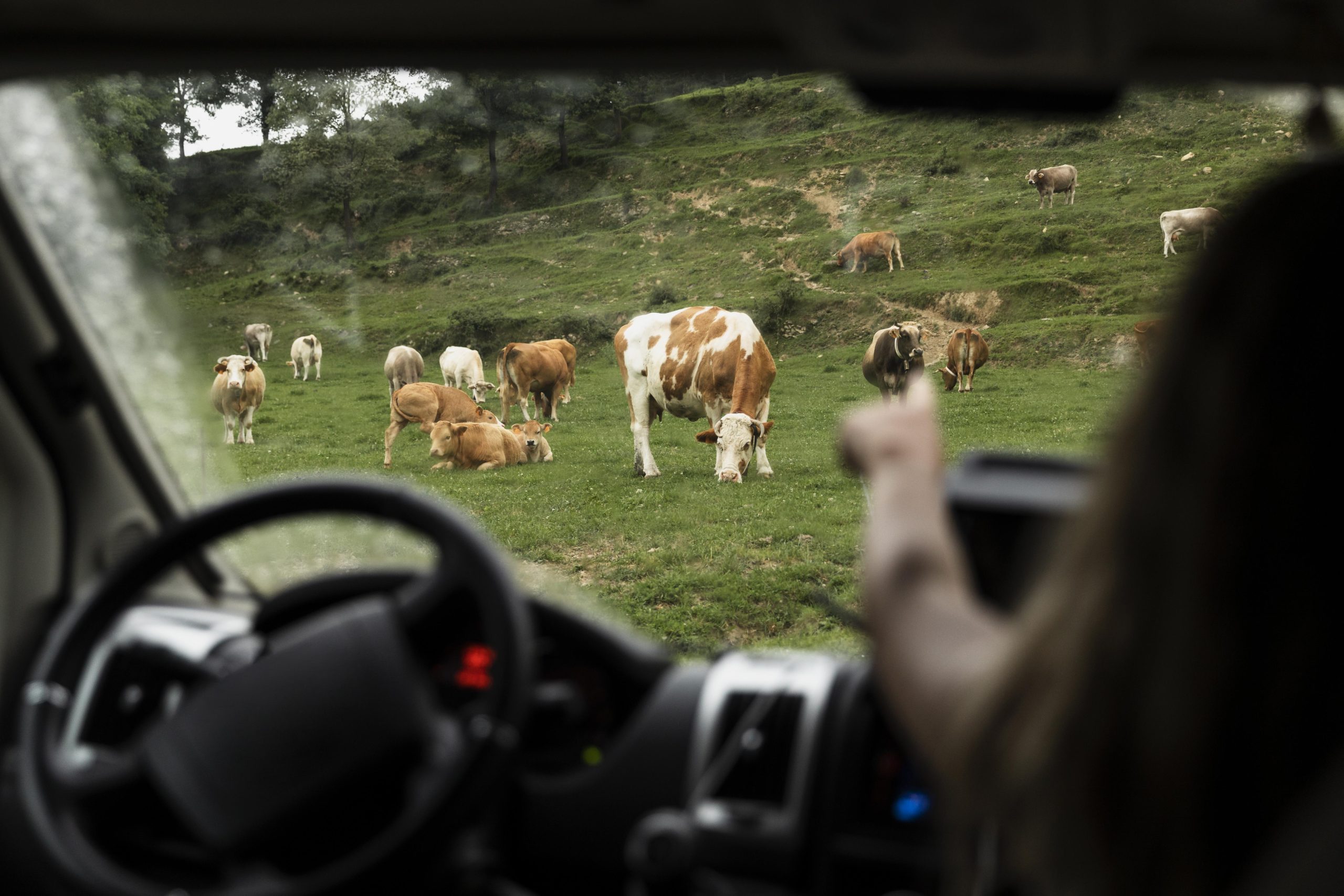
The Eastern Cape has imposed a 30-day ban on livestock movement following a new foot-and-mouth disease case. Only animals being taken straight for slaughter are allowed to move as authorities rush to contain the outbreak.
The instruction follows a new confirmed case of foot-and-mouth disease (FMD) in the Amahlathi Local Municipality, raising renewed concern about the spread of the highly contagious livestock disease at one of the busiest periods for animal movement.
The holiday season is usually a time traditionally marked by the slaughter of livestock for celebrations – the provincial department of agriculture has issued a firm warning to farmers and communities.
The department says this comes despite the successful containment of earlier outbreaks in the Kouga and Koukamma Local Municipalities. Investigations are now underway in Amahlathi to determine the extent of the latest case.
Adding to the developments, suspected FMD cases have been reported in several other areas, including Mbhashe (Dutywa), Matatiele, and the Winnie Madikizela-Mandela Local Municipality. According to the department, animals in these areas are showing lesions consistent with FMD, and samples are currently being collected for laboratory testing.
In an effort to prevent further spread, all farms where infections are confirmed or suspected have been placed under quarantine.
“The movement of animals is one of the biggest risks for spreading Foot and Mouth Disease, especially during the festive season when slaughtering increases,” the department said in a statement.
As a precautionary measure, communities and farmers have been instructed not to transport or move animals anywhere in the province for the next 30 days. The only exception applies to animals being taken directly for slaughter.
State veterinary services practitioners have been placed on standby across the province, and farmers are urged to remain vigilant during this critical period.
The department is calling on farmers and community members to report animals showing symptoms associated with FMD. These include excessive salivation, sores, or blisters in the mouth, as well as lesions on the feet that may cause lameness.
“To protect our livestock and prevent further spread of the disease, farmers are urged not to move animals for the next 30 days, except for slaughter,” the department said.
“Our state veterinary services practitioners are on standby, and communities are encouraged to report any suspected cases without delay.”
